Luca
Interview by Ellen De
The Long Read
The third interview in this series is with artist and designer LUCA, as featured in FORM vol 1.
LUCA explores the space between the digital and physical worlds, offering a thoughtful perspective beyond the fast-paced world of digital media. This series was conceived by Photographer & Lab Mag writer Ellen De for the edition.
ELLEN DE Tell us about your childhood and share how you started out in the creative world.
LUCA: As a kid, I grew up in a small town surrounded by nature, which greatly shaped my appreciation for the balance between natural landscapes and technological progress. I studied economics in my early education, while in my free time, I explored experimental electronic music, which became one of my first creative activities. Later, I discovered graphic design, which marked a turning point in my creative journey. This new interest led me to leave my job and pursue formal studies in Industrial and Graphic Design at Politecnico di Torino, where I refined my approach and transitioned into a more artistic and introspective way of creating.
ED How would you describe your creative process? Are there any specific steps or rituals that guide you?
LUCA My creative process begins with extensive research, drawing inspiration from various sources such as my environment, architecture, music, the work of other artists, and personal experiences. I focus on exploring and understanding these influences to shape the direction of my projects. When it comes to development, I invest time in studying the tools and techniques that can optimize the process and help achieve the best possible outcome. I immerse myself in the project, which can take anywhere from a few hours to months to complete. Alongside the project, Rather than adhering to rigid rituals, I prefer a relaxed and flexible approach, allowing the process to unfold naturally and continuously evolve as I refine my ideas.
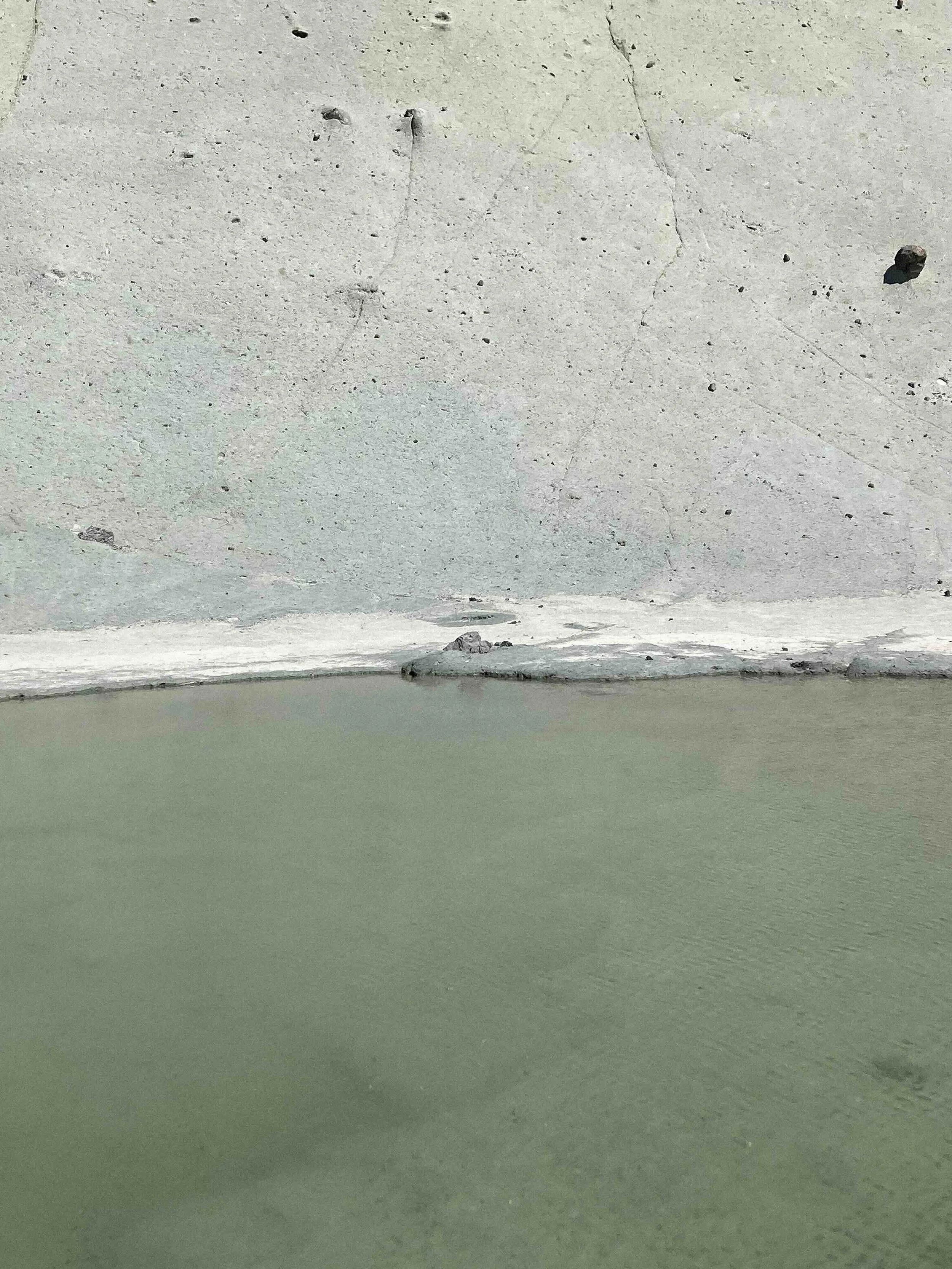
Image courtesy of Luca
ED What has been one of your biggest challenges in art, and how did you overcome it?
LUCA I think my biggest challenge was channeling my ideas and experiences into a precise aesthetic, trying to use different techniques and bring them together in a single direction.
ED What are you most proud of?
LUCA What makes me most proud is the mutual respect I have built with other artists. Through the art world, I’ve been able to form friendships with people I admire, who have helped me grow and given me the confidence to continue creating new works.
ED Is there something in your process or work that might surprise viewers?
LUCA I enjoy using many tools, trying to blur the lines between them. It’s exciting to explore how these elements can come together and keep people guessing.
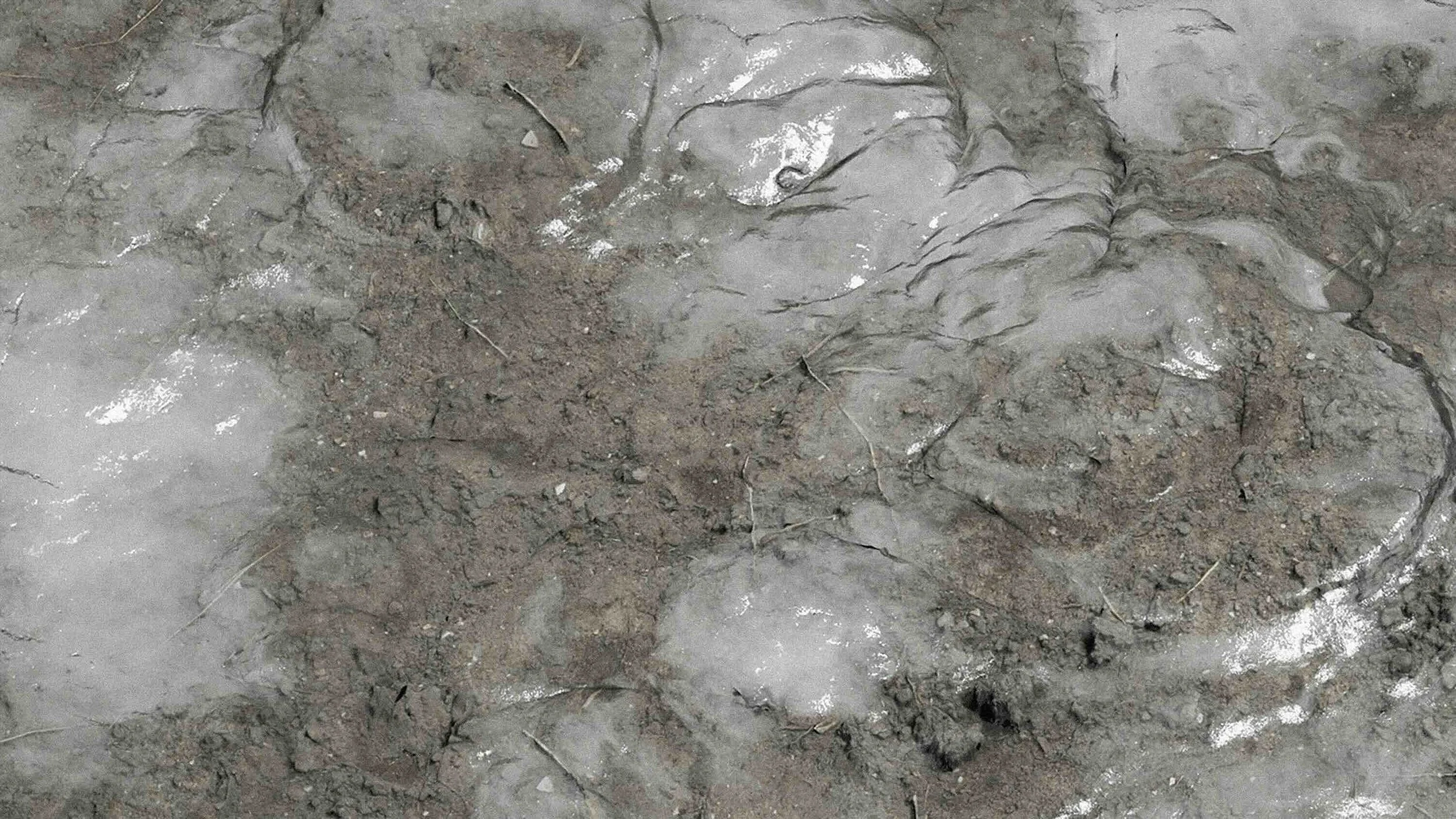
Work in Progress. Courtesy of the artist
Sometimes, a 3D piece can look like a photograph of a museum installation, or a photograph can appear like an image created by AI.
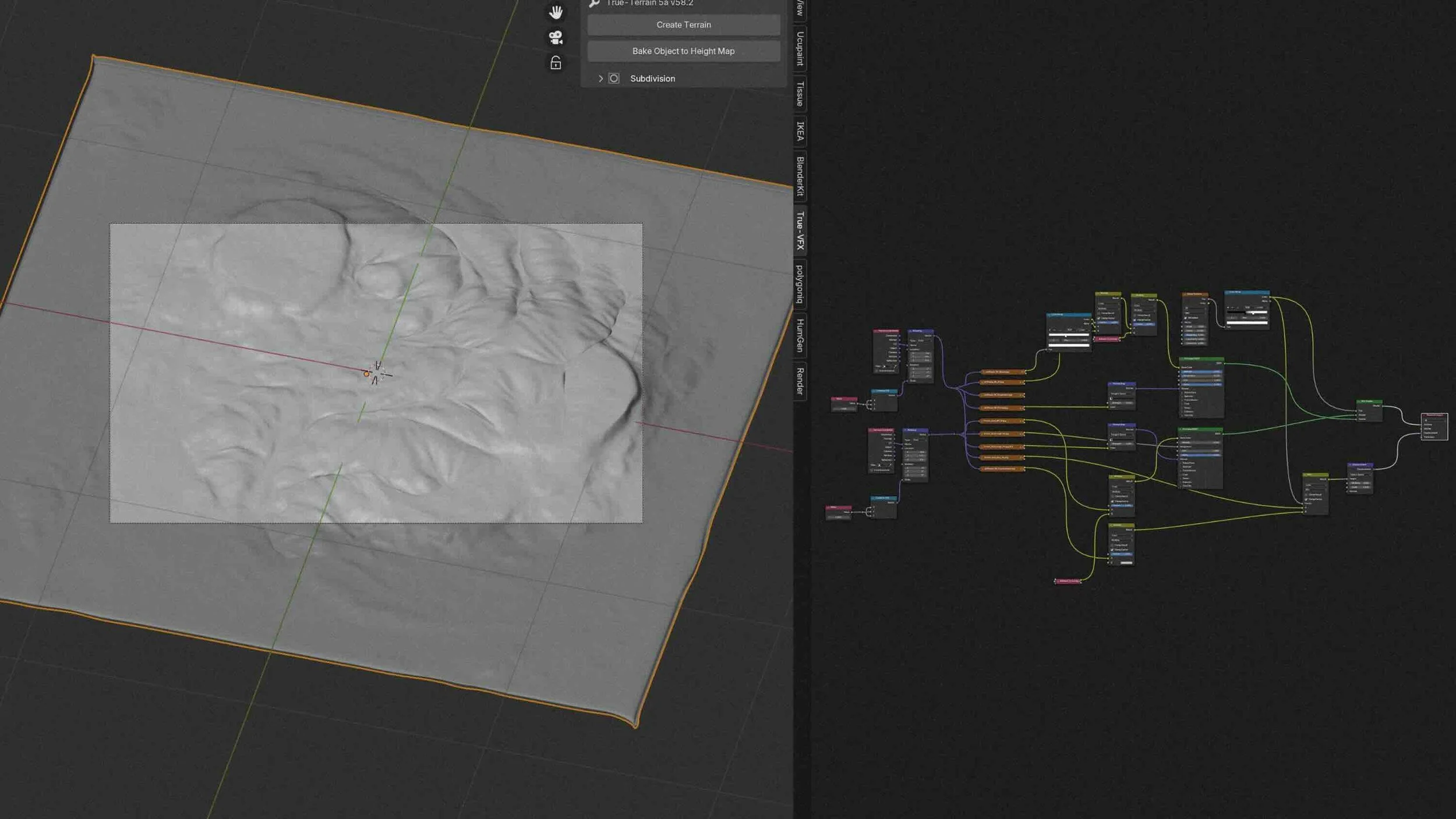
Work in Progress B. Courtesy of the artist
ED What influences, within or outside the art world, have recently impacted your work?
LUCA Lately, I’ve been very fascinated by the world of photography. I’m particularly drawn to photographs that capture liminal or landscape spaces.
ED Is there a particular environment or moment that you find especially inspiring?
LUCA I enjoy observing the details that emerge in the most ordinary situations. For example, I’ve been taking screenshots of photographs from Google Street View.
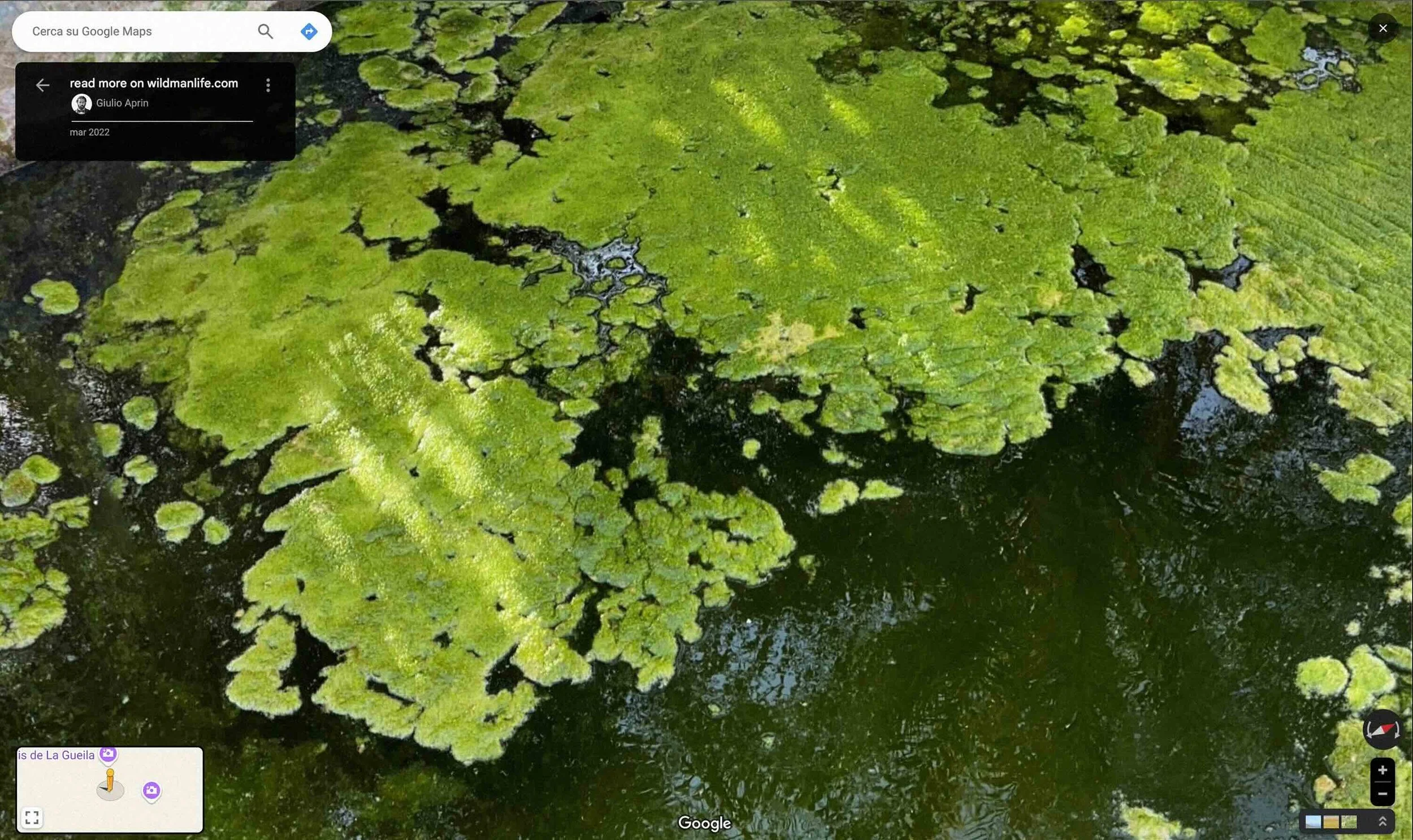
IBy Giulio Aprin Moss. Courtesy of Luca
Here, you can find footprints left in the desert, moss floating in a stagnant fountain, or a man gazing at the horizon by the ocean. I find all of this very fascinating and poetic.
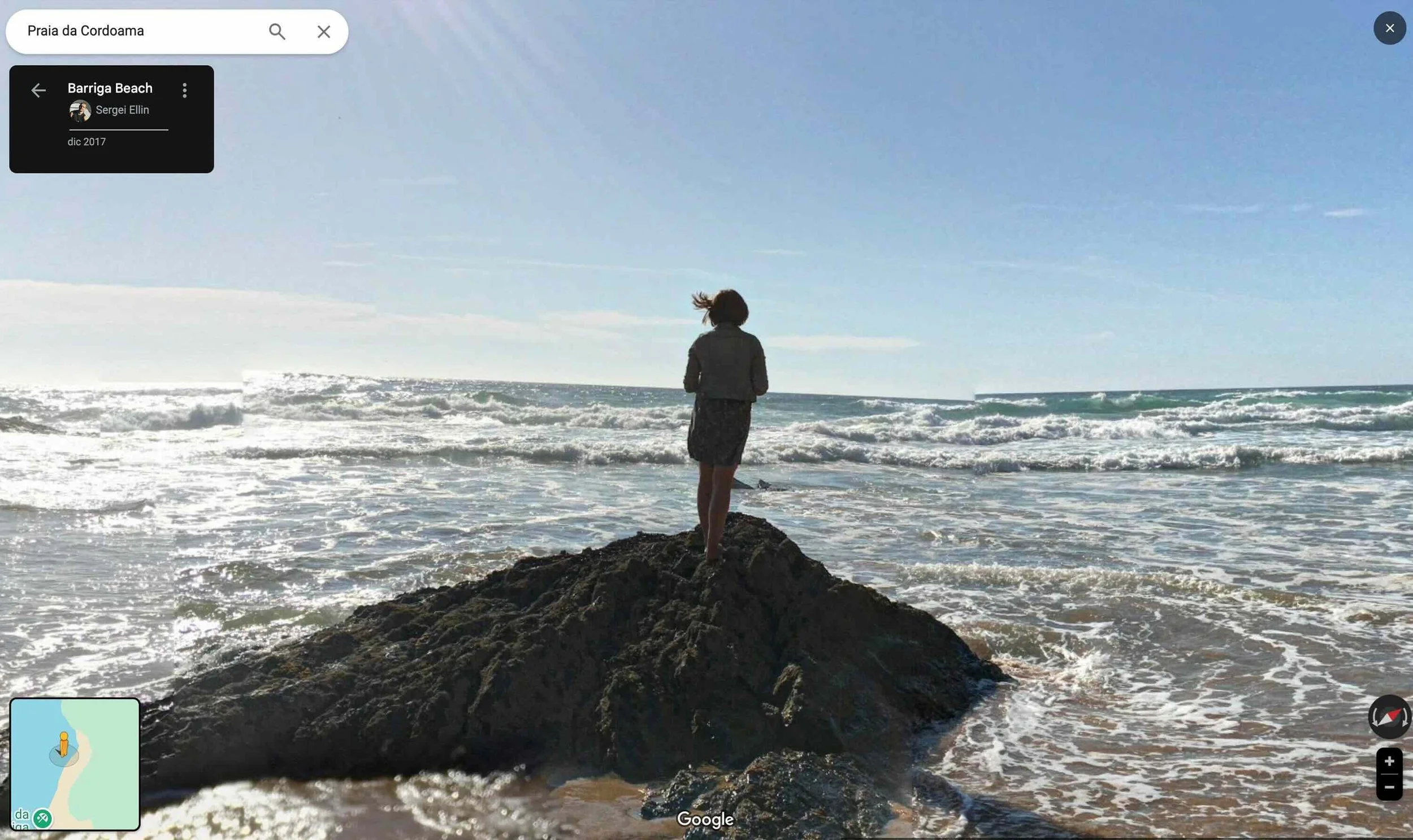
by Sergei Ellin Sea. Image courtesy of the artist Luca
ED In your view, how does form shape the emotional impact of a piece?
LUCA The form shapes the emotions by giving meaning to what is being expressed, establishing a direct connection with the viewer or the one who experiences it.
ED Do you believe structure or shape alone can carry an emotional quality?
LUCA I think that at its core, lines, proportions, and compositions can evoke sensations because our aesthetic sense instinctively responds to certain harmonies, tensions, or dynamics.
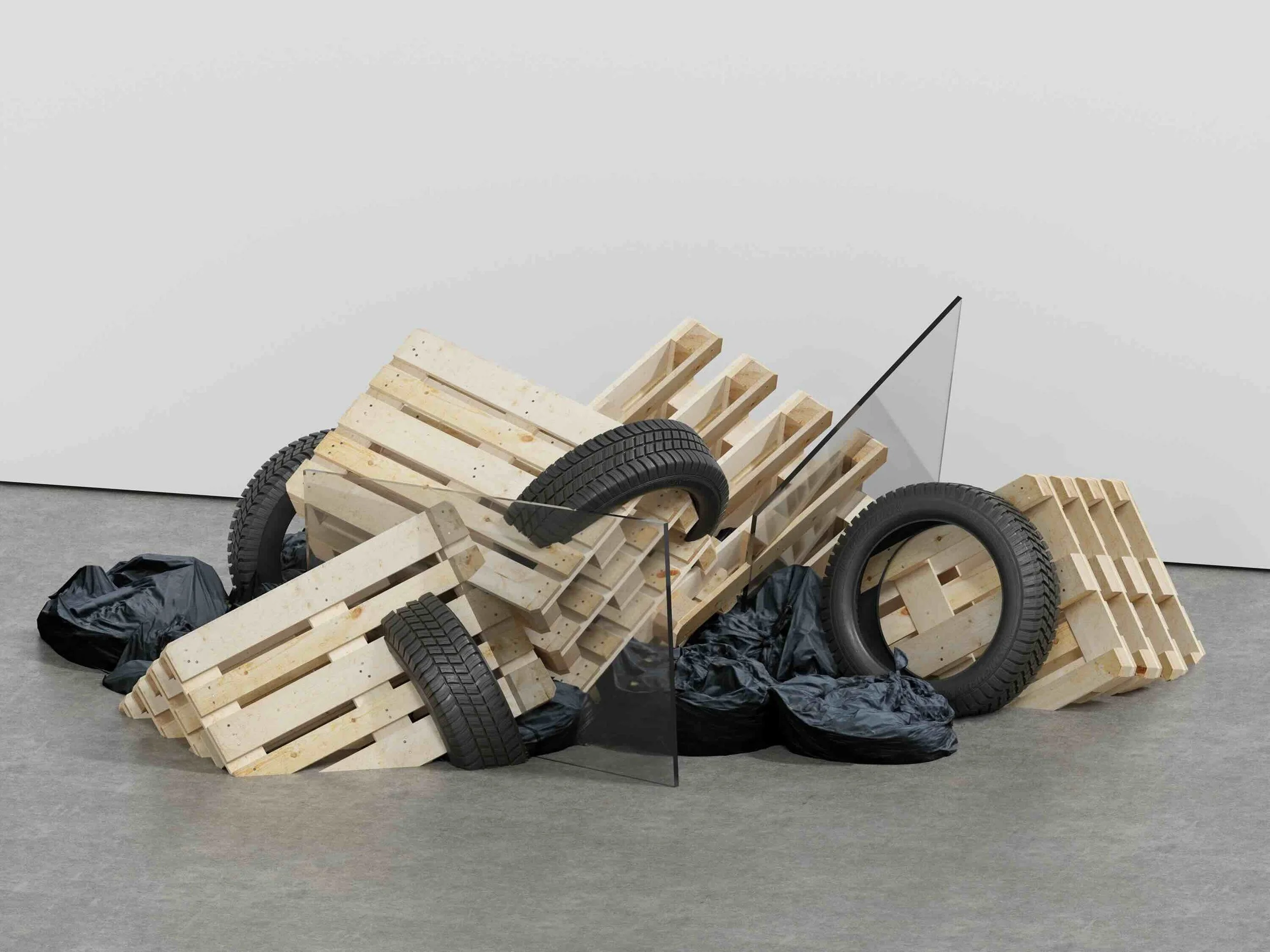
Mood by Luca
ED Your work often combines unusual combinations of objects, such as logs on stretchers or melting ice illuminated by heaters. How do you choose these materials, and what symbolic weight do they carry in your work?
LUCA The idea behind these material combinations stems from the desire to create a contrast between the immediate meaning of the objects and the more complex realities they represent. Pairing such elements highlights the tension between these forces and emphasizes the interconnections between the environment and human actions. Each material, through its symbolism, becomes a point of reflection on the fragility of the ecosystem, the pressure humans exert on the natural world, and its consequences. The use of everyday objects, presented in unusual ways, triggers an immediate awareness but also invites a deeper interpretation, going beyond appearances to question our habits, choices, and relationship with the planet.
ED Does the juxtaposition of organic and industrial elements reflect a broader commentary in your art?
LUCA My art explores how these two worlds, often viewed as separate, are interconnected and profoundly influence one another. When industry and nature are combined, they highlight the tension between human progress and its impact on the environment. This contrast aims to challenge the sustainability of our development and provoke reflection on how human actions can disrupt the natural balance.
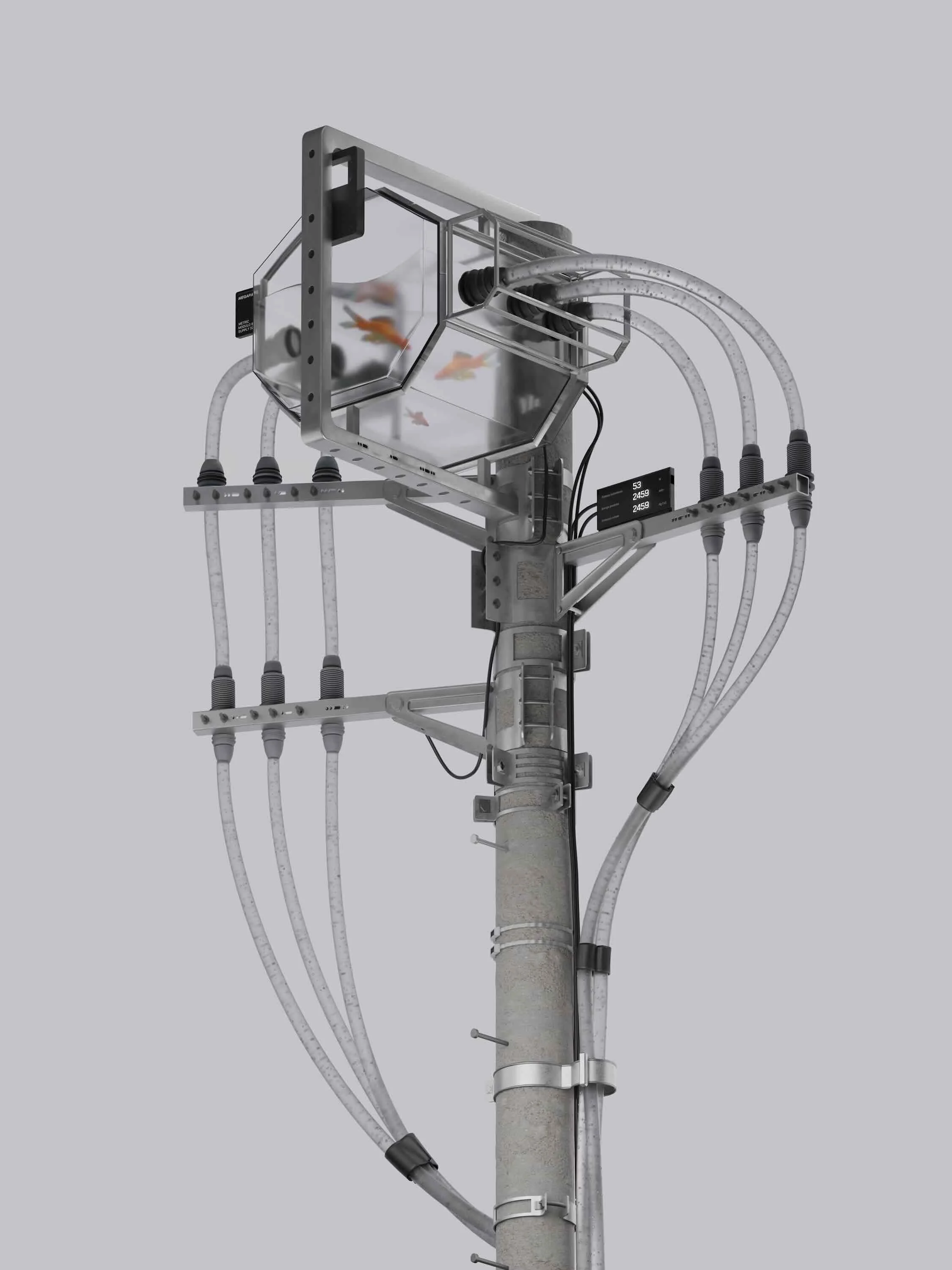
Supply by Luca
ED How do you see nature’s fragility influencing your art practice?
LUCA In my opinion, nature is not fragile, but is something extraordinarily resilient and mathematical. Its complexity and perfection demonstrate a force beyond our understanding. Nature is a system that will always exist, regardless of our actions. We humans are part of it and are bound to this balance, but it is often our ability to adapt that is most fragile.
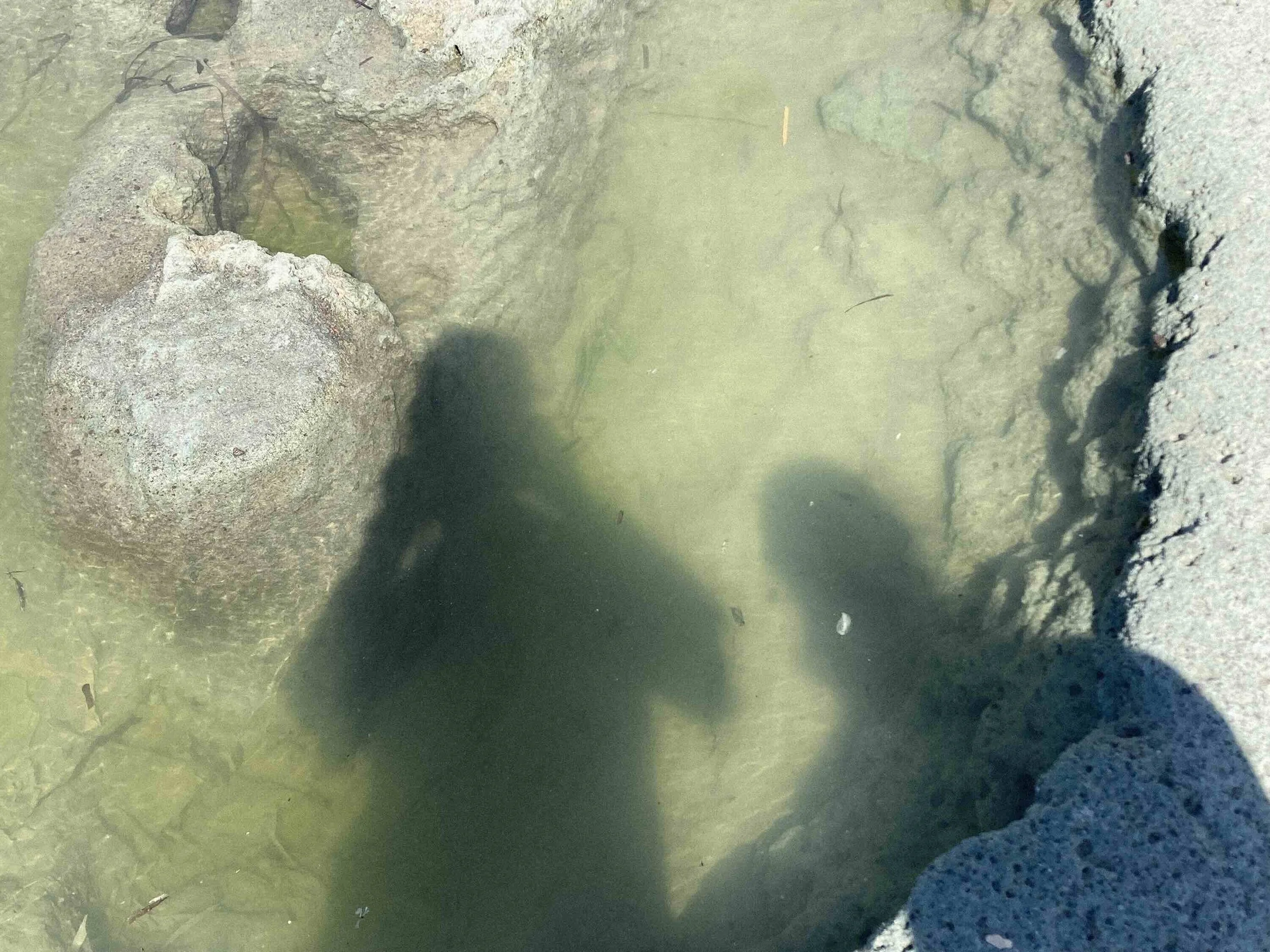
Image courtesy of Luca
ED How do you use irony or absurdity in your work to challenge the viewer's expectations?
LUCA I don't think I use irony, yet perhaps absurdity often emerges in focusing on trivial details or presenting complex situations in an almost banal way. I like to strip what is obvious and every day of its normality and offer it to the viewer as something new and extraordinary. Sometimes, the simplest or most common things, when analyzed in the right context, can turn out to be enormously complex or symbolic.
ED You seem to explore tension—between organic and inorganic, creation and destruction. How do you approach this tension when designing your works?
LUCA For me, the tension between the organic and the inorganic does not represent a sharp separation, but a reflection of the deep connection between these worlds. The things we often consider inorganic are the result of transformations and processes rooted in the organic, so they belong to the same system after all. It fascinates me to explore how these two elements, while perceived as distinct, are intrinsically linked and how their interaction creates a dynamic of continuous change and adaptation.
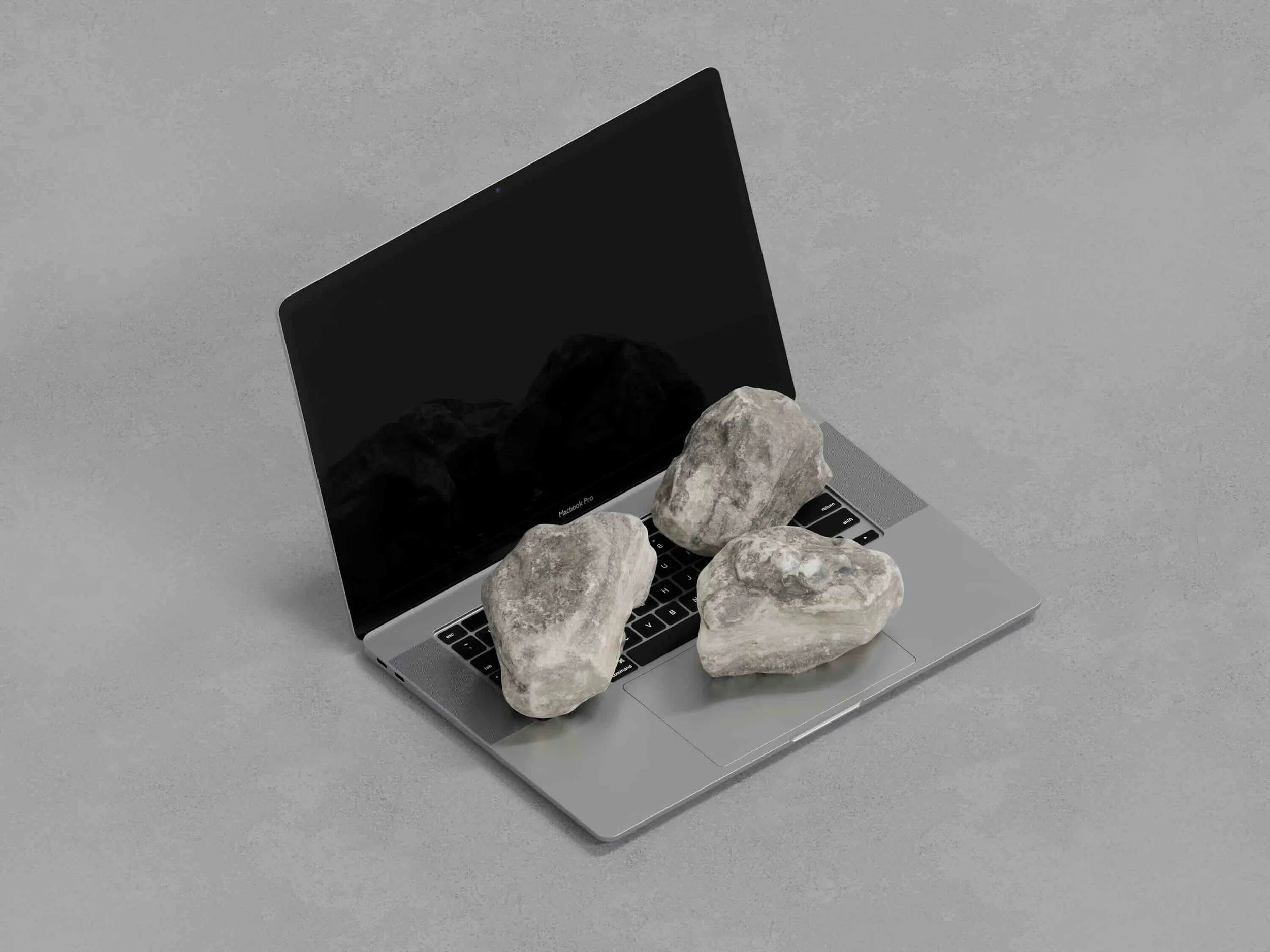
Pressure by Luca
ED How do you select the materials for your work? Do they guide the concept, or does the concept determine the material?
LUCA I like to select materials based on their function and the history they carry with them. Each material has its own identity, a connection to the past, and a meaning that can enrich the work. Their selection is often driven by a desire to use what best communicates the concept I want to explore.
ED How do you see your art reflecting contemporary issues, such as environmental change, identity, or technology?
LUCA On the one hand, I try to address the issue directly, prompting the viewer to reflect on the subject, sometimes in a provocative way. On the other, I also like to work on a more subtle level, presenting natural elements in unusual ways, creating a contrast or curiosity that stimulates indirect reflection. In both cases, the goal is always to activate an emotional and intellectual response, stimulating a deeper understanding of the themes I explore.
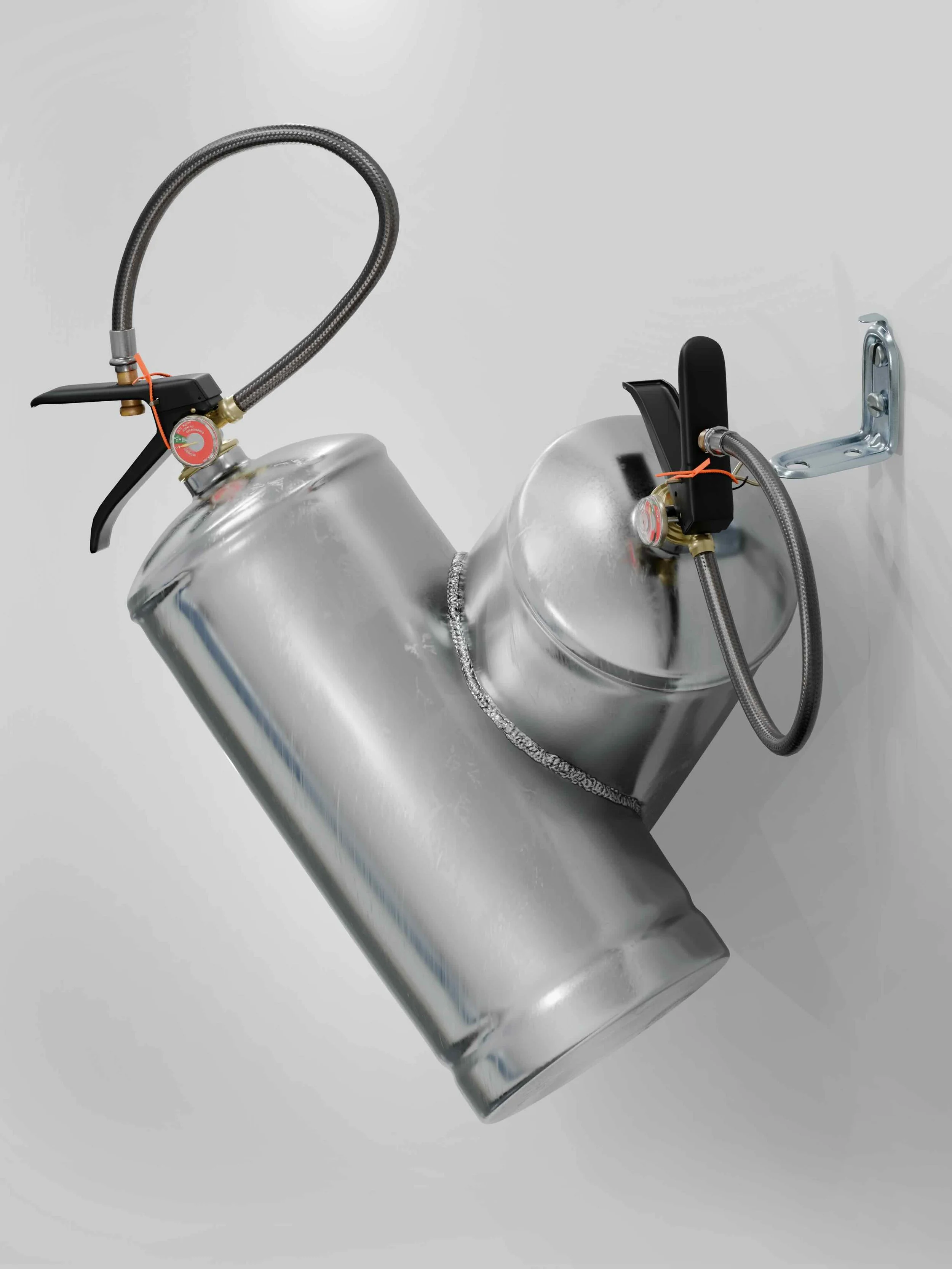
High Pressure by Luca
ED Do you aim to provoke specific emotions or thoughts in your audience, or do you leave the interpretation entirely open?
LUCA The intent is to provoke a specific emotion but I know that is difficult, so in this case I am intrigued every time by the free interpretation.
ED What's the best advice you’ve ever received?
LUCA The best advice I’ve received is that it’s not so much about a single artwork, but more about the overall journey of an artist. This helped me experiment with different styles without straying from my imagination and the style I wanted to express.
ED What motto do you live by?
LUCA I don't live by any motto; I think life is too complicated to be summed up in a single phrase.
LUCA is featured in FORM vol.I.
very laboratory